Assessment
Understand the condition and relevant history of the paint.

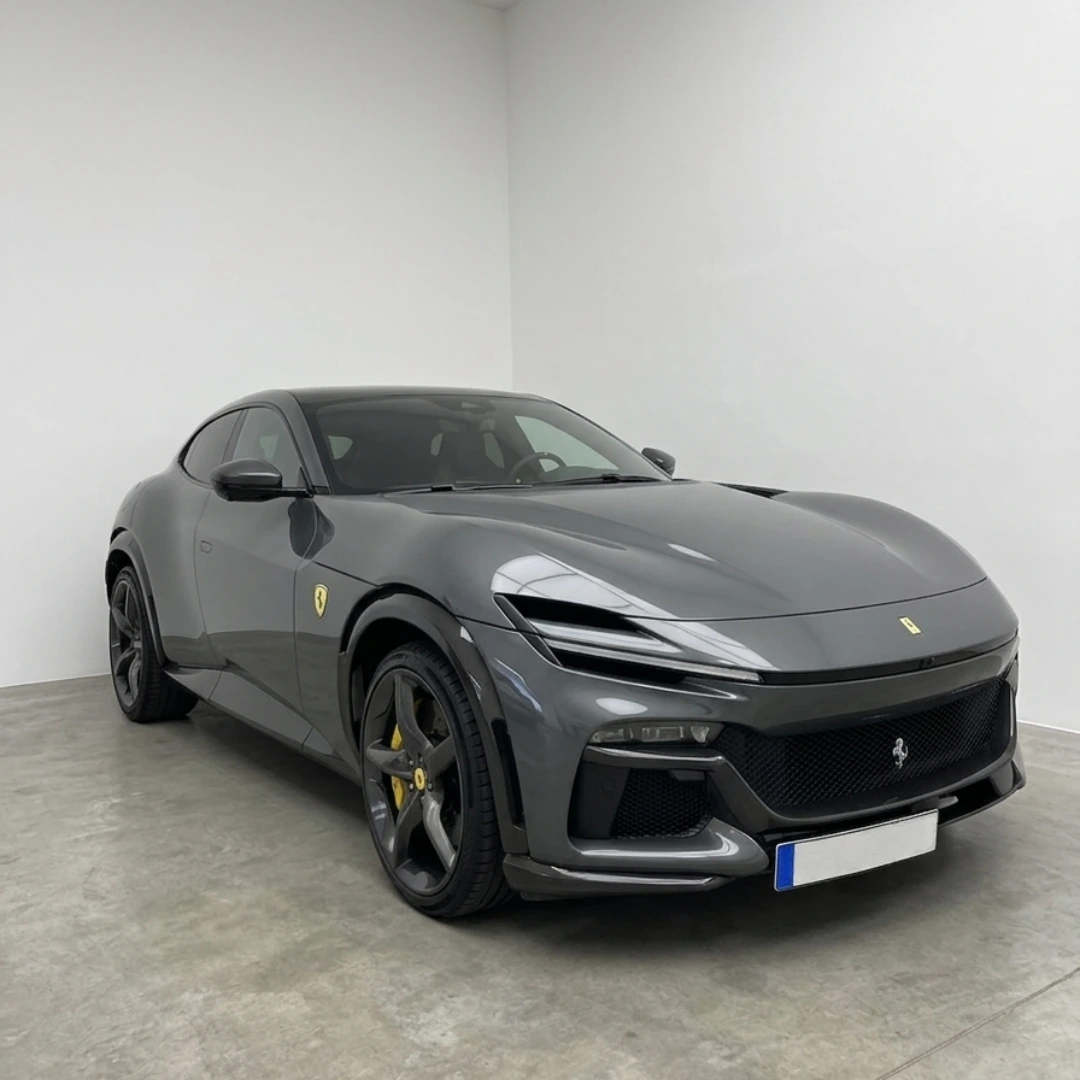
FIRST DETAIL · MALLORCA
Restore clarity.
Enhance the finish.
THE STARTING POINT
Your paint.
What the light reveals.
Polishing can restore clarity to the finish, enhance gloss and improve certain surface marks visible under light.
Before we begin, we consider the condition and relevant history of the paint, along with your concerns about the vehicle. The aim is to choose a sensible improvement without correcting more than necessary.
The result depends on the type, condition and history of the paint. Deep scratches, chips and damage that requires repainting cannot necessarily be resolved by polishing.
Understand our approach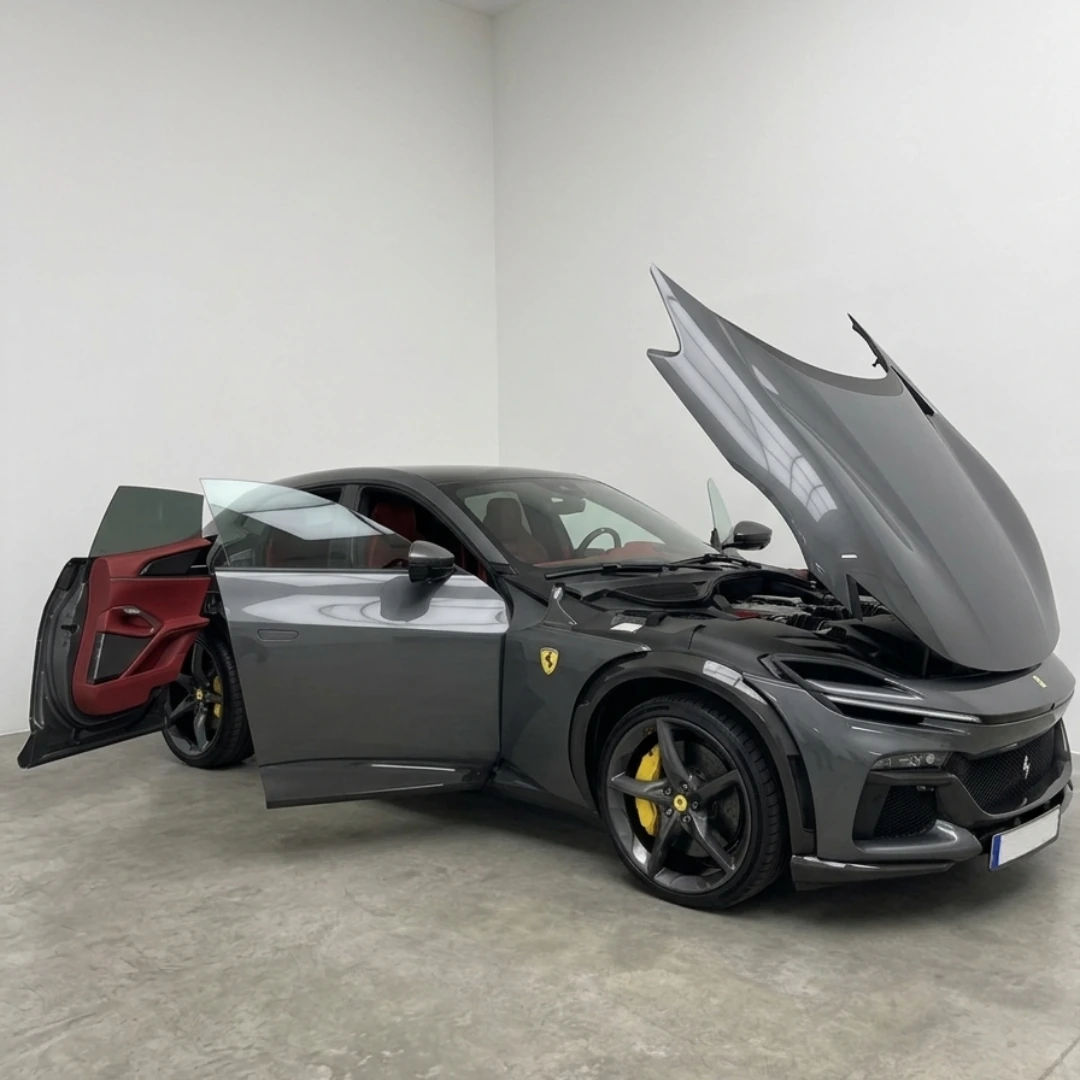
Understand the condition and relevant history of the paint.
Prepare the surface to inspect and work on the finish.
Choose a sensible level of correction for that vehicle.
Provide guidance on aftercare and any protection you may wish to consider afterwards.
IMPROVE · PROTECT · PRESERVE
Improving the finish is different from protecting it.
Polishing works on the existing finish. Protection applied afterwards can complement that work. You can enquire about polishing on its own: a ceramic coating is optional, and protection should not be assumed to be included.
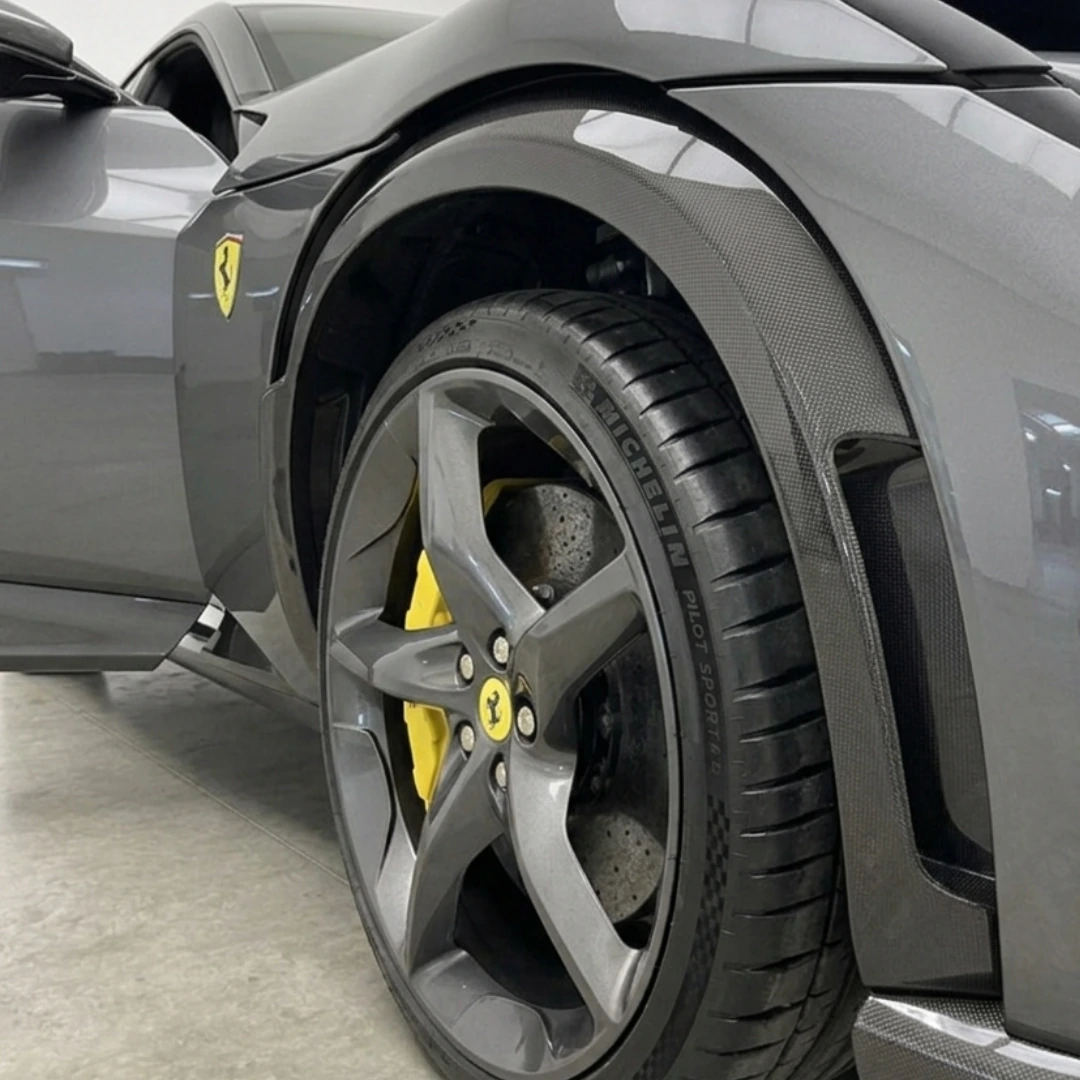
YOUR CONSULTATION
The quote depends on the vehicle, the condition of its paint and the improvements that are reasonable to make. Our recommendation sets out the scope, taking your priorities and aftercare needs into account.
The current finish, the marks that concern you, and any repainting or other work you know of.
What you would like to improve and how far it is appropriate to work while preserving the finish.
The time required for the agreed scope and how to care for the result in everyday use.
Photographs help guide the consultation. An in-person inspection allows us to make a specific recommendation. You do not need to choose a level of correction before speaking with us.
Discuss my vehicle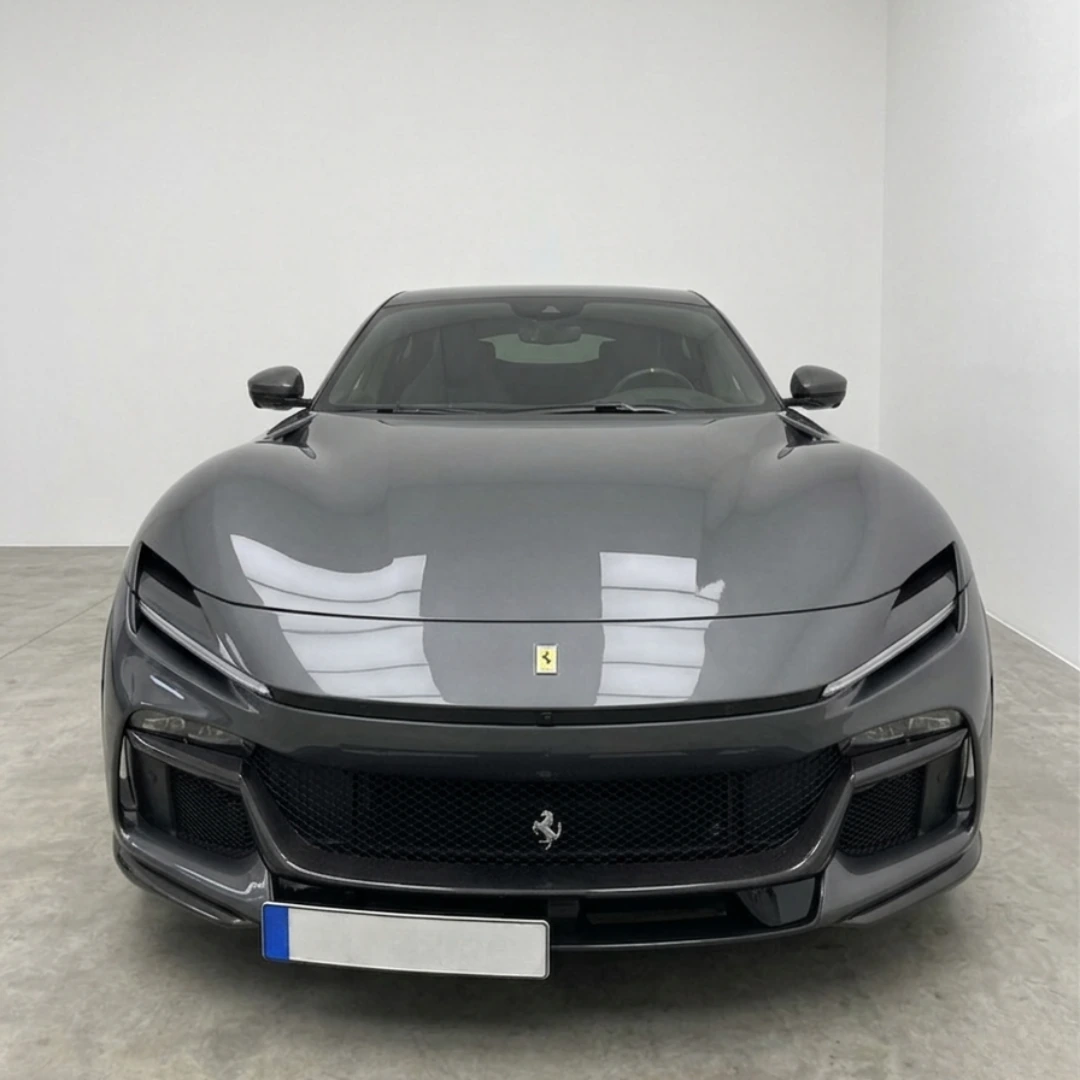
A recommendation based on the condition, history and needs of your paint.
Understand the proposed improvements, their limits and the scope of the work before you decide.
We agree on a location that provides the space and conditions the work requires.
Caring for the finish also means helping you understand each decision and know what to expect.
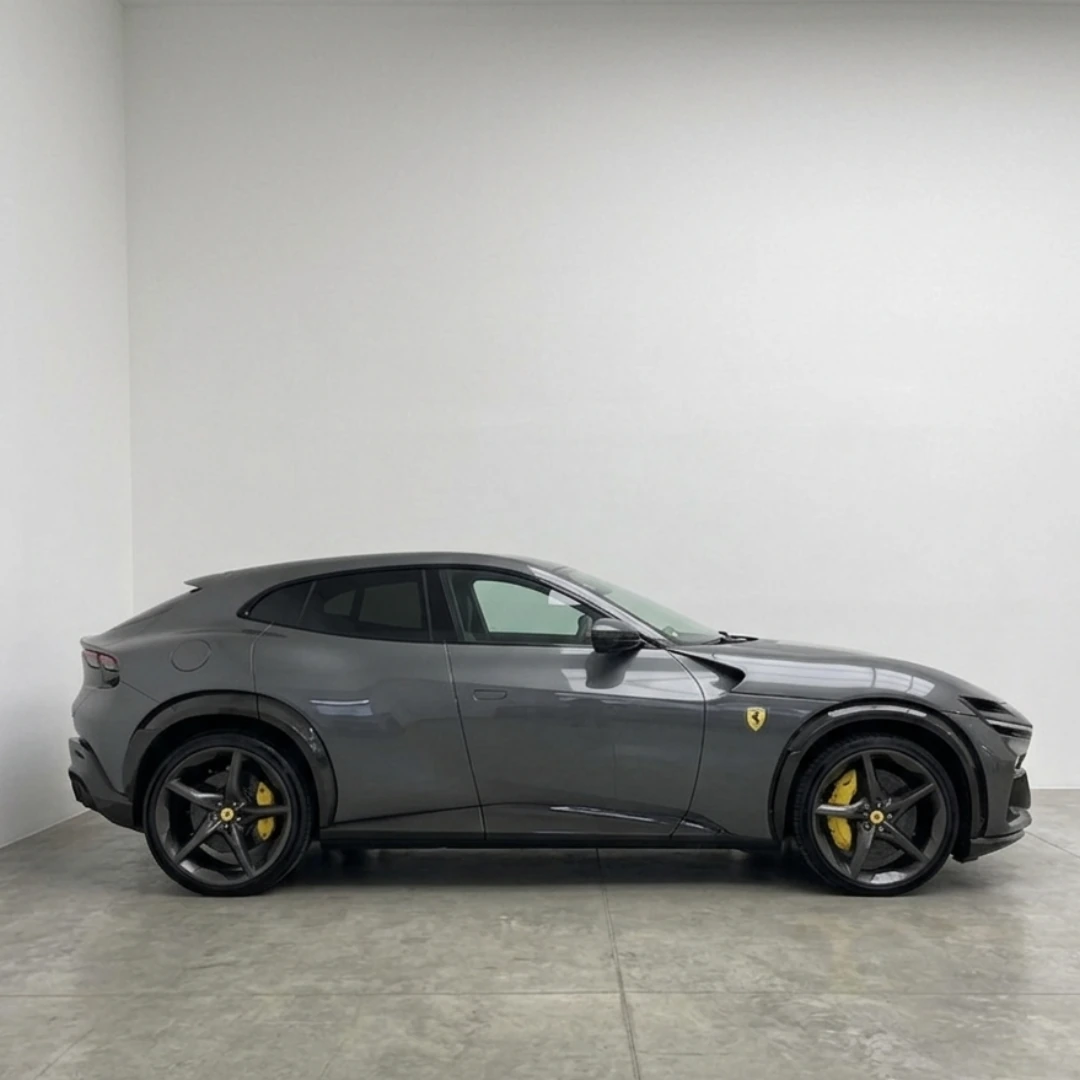
The finish changes with use and care. Careful washing and appropriate maintenance help prevent new marks after polishing.
Understand what has been improved and which marks are best left to preserve the paint.
Avoiding unnecessary friction and dirty materials helps prevent new marks.
Review care according to how the car is used and the condition of the finish.
« First Detail was born from a conviction: caring for an exceptional vehicle should feel as special as driving it.
Obsessed with detail. Captivated by perfection.We were born to raise the standard. »

Albert EchauriFounder of First Detail
What can improve, which limits should be respected and how to care for the result.
Polishing works the surface to improve its finish. We use the term paint correction when that work aims to reduce specific defects, such as haze or surface marks. The terms are related; what matters is defining the proposed improvements and the level of correction involved.
Polishing and correction can improve loss of gloss, some haze, wash marks and certain surface scratches. Whether and how much they can improve depends on the depth of the defect and the condition, type and history of the paint. These are not always clear from a photograph.
No. Some marks are too deep, or removing them would require more correction than is appropriate. Chips and damage that requires repainting cannot be repaired by polishing. Preserving the paint may mean leaving part of a defect visible.
A newly delivered vehicle can have wash marks, haze or other defects. That does not mean it needs intensive correction. The recommendation depends on the actual finish and the improvements that are reasonable to make.
We consider the condition and known history of the paint, the visible defects and the result you would like. First, we establish which improvements make sense and which limits should be respected. More intensive correction is not automatically the right choice.
Please let us know, even if you do not have all the details of the previous work. A repainted panel may respond differently from the rest and call for a different recommendation. We do not assume that every panel can take the same level of correction.
No. Polishing and correction improve the existing finish; a ceramic coating provides protection on a prepared surface to make it easier to care for. It does not remove paint defects on its own. These are separate treatments that can complement each other.
Yes. We consider polishing or correction as a service in its own right. If subsequent protection is worth considering, we explain it separately; a ceramic coating is optional and should not be assumed to be included.
Polishing is not a coating with an expiry date. Marks can build up again depending on how the car is used, washed and cared for afterwards. Careful maintenance helps preserve the improvement, but does not make the paint immune to new damage.
It depends on the size of the vehicle, the condition and history of the paint, and the scope of the recommended improvements. You can start by telling us which car you have and what concerns you, adding photographs if helpful. These provide initial guidance; an in-person inspection allows us to define the proposal.
It depends on the preparation and the level of correction that is appropriate. The timing is confirmed when we inspect the vehicle and define the scope. If you need the car by a particular date, please mention this when you enquire so we can take it into account when coordinating the work.
This depends on the available space and the weather. Where suitable, we bring our private paddock to provide a sheltered, controlled working environment. We coordinate its setup, the time it needs to remain in place and its removal with you. If your home does not provide the necessary conditions, we consider another suitable location.
Careful washing, clean materials and avoiding unnecessary friction help reduce new marks. Maintenance should suit how the vehicle is used. We provide guidance on aftercare and, if you wish, you can ask about maintenance or complementary protection.
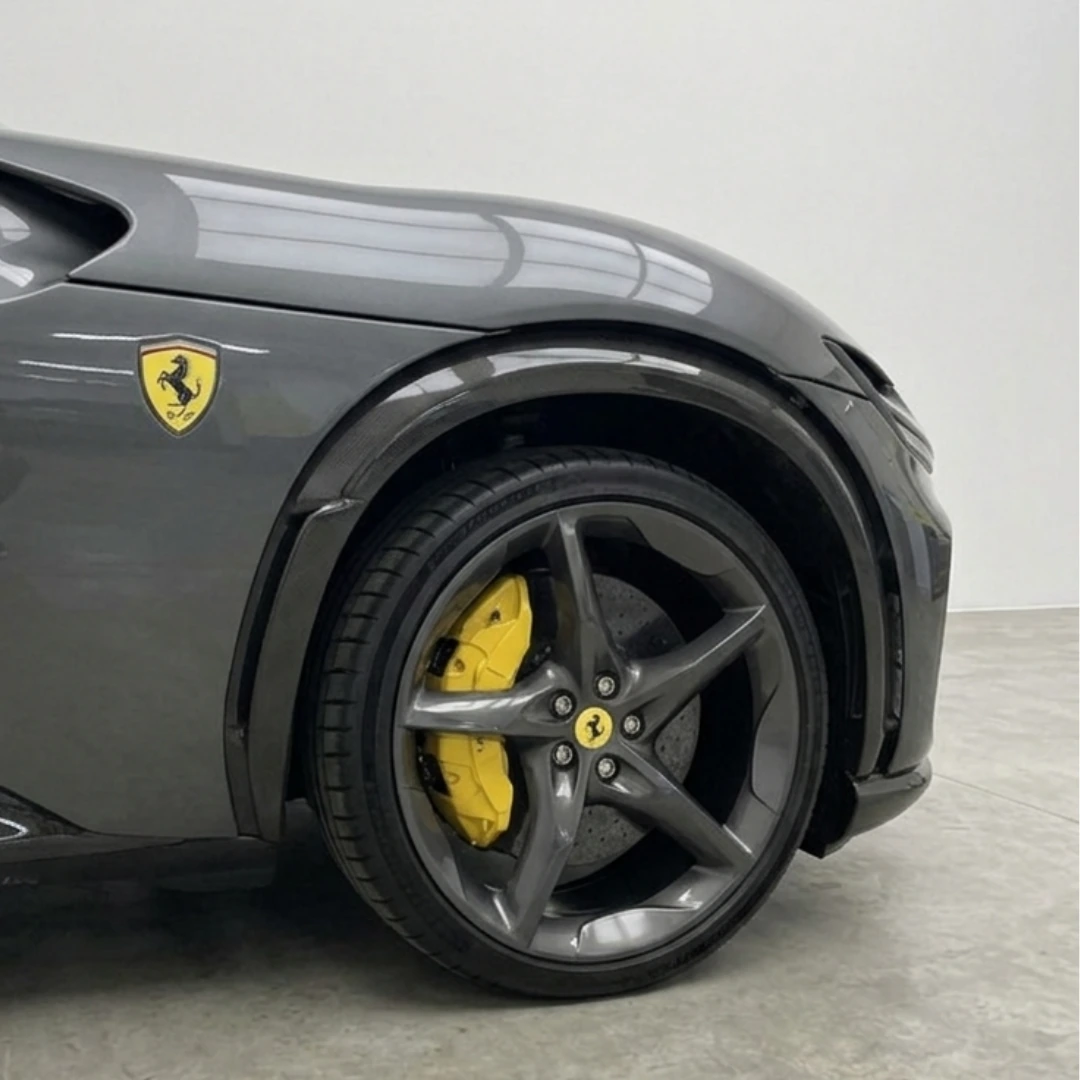
Tell us about your vehicle and what you would like to improve. We can explain what polishing may achieve and the next step in inspecting your paintwork.
Discuss my vehiclePrepare a brief enquiry and send it by WhatsApp or email. You are also welcome to call us.
+34 689 034 600